
"French Guiana"
400 article(s) found

An important name in the history of Suriname coffee
An important name in the history of Surinam coffee is Suriname, the first country in South America to grow coffee, and Norway was once a major importer of its coffee products. However, the country's output is very small today, and it is mentioned here only for historical reasons. The Dutch, who settled in Suriname in 1667, introduced coffee trees from Java in the early 18th century. The first batch of coffee trees

The Historical Story of Fine Coffee in Suriname
An important name in the history of Surinam coffee is Suriname, the first country in South America to grow coffee, and Norway was once a major importer of its coffee products. However, the country's output is very small today, and it is mentioned here only for historical reasons. The Dutch, who settled in Suriname in 1667, introduced coffee trees from Java in the early 18th century. The first batch of coffee trees
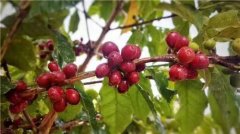
Why do foreigners like drinking coffee? This paper briefly introduces the origin and development history of foreign coffee.
The earliest coffee beans originated in Ethiopia. In 525 AD, Ethiopian troops invaded Yemen, and coffee beans were brought to Yemen by soldiers. According to records, coffee trees began to be planted in Yemen in 575 AD. Later, coffee beans were also brought to Egypt by Sudanese black slaves who were shipped to Egypt. After coffee was introduced into the Arab world, it was first used as a herb by Arabs to treat biases.

A brief introduction to the planting Market Price of Yellow bourbon Fine Coffee Bean varieties in the softly scented Queen Manor of Brazil
Located in the high mountain area of Sao Paulo near the Minas border, 1200 to 1400 meters above sea level, the annual rainfall is more than 1800 mm, but it will not cause torrential rain, and the average annual temperature is only 19 ℃. Therefore, the growth of bean fruit is slightly slow, but the texture density is enough, although the yield is less, but the aroma and flavor is not ordinary Brazilian plateau beans can look at its back, this manor is mainly bourbon species, even more than 110years old bourbon species.

Brazilian coffee flavor with low sour taste introduction to boutique coffee in manor area
General K. Fonseka launched a coup on November 15, 1889, overthrowing the monarchy and establishing the United States of Brazil. Under the slogan of order and progress, and based on the presidential system to strengthen the modernization of Brazil, the new government has achieved good economic results in addition to producing 3/4 of the world's coffee. Later, under the panic of the world economy in the 1930s, the coffee economy suffered a deep pain.

Let's talk about Santos coffee.
Brazilian Santos coffee, such as extremely rhythmic, unrestrained and enthusiastic samba dance and group crazy, earth-shaking carnival, is thoroughly integrated into the blood of lively and cheerful Brazilians. With its colorful flavor, it stirs the heartstrings of coffee lovers and makes people have a long aftertaste. Introduction Editor Santos Coffee (Santos Coffee) is mainly produced in Sao Paulo, Brazil. this

Taste mellow Brazilian Coffee Flavor introduction to the characteristics of Fine Coffee in Manor
General K. Fonseka launched a coup on November 15, 1889, overthrowing the monarchy and establishing the United States of Brazil. Under the slogan of order and progress, and based on the presidential system to strengthen the modernization of Brazil, the new government has achieved good economic results in addition to producing 3/4 of the world's coffee. Later, under the panic of the world economy in the 1930s, the coffee economy suffered a deep pain.

Introduction to the processing methods of highly aromatic Brazilian coffee with the characteristics of grindness and taste
Brazil is located in southeastern South America, spanning 35 to 74 degrees west longitude and 5 degrees north to 35 degrees south latitude. It is bordered by the South Atlantic Ocean to the east and any country in South America to the north, west and south (except Chile). It is bordered by French Guiana, Suriname, Guyana, Venezuela and Colombia to the north, Peru and Bolivia to the west, and Paraguay, Argentina and Uruguay to the south. Coastline

Cross-strait coffee gives you 5 minutes to understand the origin of coffee.
There are all kinds of legends about the origin of coffee, but most of them are forgotten because of its absurdity. People will not forget that Africa is the hometown of coffee. Coffee trees are likely to be found in Ethiopia's KAFFA province. Later, batches of slaves were sold from Africa to Yemen and the Arabian Peninsula, and coffee was taken everywhere along the way. That's for sure.

History of the development of coffee beans in Brazil, a big coffee country in the world, the influence of Brazilian coffee characteristics on world coffee production
The charm of Brazilian coffee is not as good as the unrestrained, warm and earth-shaking samba dance and the carnival that cannot stir up the tip of the tongue, but Brazilian coffee is thoroughly integrated into the blood of Brazilians who are happy to know their fate, and it touches the heartstrings of coffee lovers with its colorful flavor. it has a long aftertaste. An interesting historical story of Brazilian coffee was originally on more than 8.5 million square kilometers of land in Brazil.
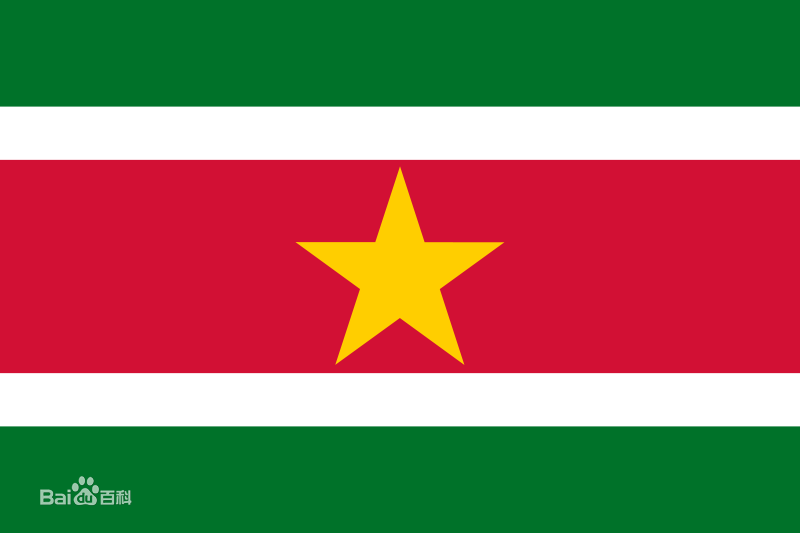
Guyane française Suriname fine coffee beans origin introduction Suriname fine coffee beans origin history
Suriname was the first country in South America to grow coffee, and Norway was once a major importer of coffee products from Suriname. Today, however, the country produces very little and is mentioned here only for historical reasons. The Dutch, who settled Suriname in 1667, introduced coffee trees from Java in the early 18th century. The first coffee trees were donated by the mayor of Aspen to a

A brief introduction to the planting Market Price of Brazilian Hillado Fine Coffee Bean
Brazil is vividly compared to the giant and monarch of the coffee world. There are about 3.97 billion coffee trees there, and small farmers now grow 75% of Brazil's total coffee production. The number of coffee producers in Brazil is twice or even three times that of Colombia, the second largest coffee producer in the world. Unlike in the past, Brazil's economy is now less dependent

A brief History of World Coffee (3)
An English coffee shop was born in Boston in 1688. Coffee cultivation began in 1696 from the Netherlands and western India to Java. Coffee was successfully cultivated on the Dutch island of Java in 1699. In 1706, cafes in Java shipped goods to the Netherlands for the first time. At the same time, the seedlings were sent together and planted in the Amsterdam Botanical Garden. In 1720, F in Venice

Flavor and taste of Brazilian boutique coffee beans the characteristics of manor producing areas introduce the varieties of Brazilian coffee.
General K. Fonseka launched a coup on November 15, 1889, overthrowing the monarchy and establishing the United States of Brazil. Under the slogan of order and progress, and based on the presidential system to strengthen the modernization of Brazil, the new government has achieved good economic results in addition to producing 3/4 of the world's coffee. Later, under the panic of the world economy in the 1930s, the coffee economy suffered a deep pain.

World Coffee-3
An English coffee shop was born in Boston in 1688. Coffee cultivation began in 1696 from the Netherlands and western India to Java. Coffee was successfully cultivated on the Dutch island of Java in 1699. In 1706, cafes in Java shipped goods to the Netherlands for the first time. At the same time, the seedlings were sent together and planted in the Amsterdam Botanical Garden. In 1720, F in Venice

Suriname was the first country in South America to grow coffee. Norway was once the country's main importer of coffee products
Suriname was the first country in South America to grow coffee, and Norway was once a major importer of coffee products from Suriname. Today, however, the country produces very little and is mentioned here only for historical reasons. The Dutch, who settled Suriname in 1667, introduced coffee trees from Java in the early 18th century. The first coffee trees were donated by the mayor of Ashtangi.

Production method of coffee beans
Brazilians love coffee and are good at drinking coffee. Coffee with hot milk is a traditional breakfast drink throughout Brazil. Brazilians call breakfast morning coffee (cafedamanha). They drink coffee before going to work, during meetings, and often stand in front of a street cafe for a drink when walking down the street. In short, coffee is an indispensable source of energy for most Brazilians. Small black coffee

World & A brief introduction to the Development History of Coffee in China
Origin: coffee was first discovered in the kaffa region of southern Ethiopia in the 6th century AD. So far, there is no specific historical data about the origin of coffee, what has been handed down are several different legends, but it is more recognized that Cuddy, the shepherd, discovered the coffee. Legend has it that Kadi, a shepherd in Kafa province in southern Ethiopia, drives his sheep every day.

Origin and History of Brazilian Santos Coffee Santos Coffee brewing method has special flavor
Professional coffee knowledge exchange more coffee bean information Please follow the coffee workshop (Wechat official account cafe_style) Brazil Santos Coffee, named after the port of export-Santos (Santos), accounts for about 1 beat 3 of the world's total coffee output. Brazilian coffee is of uniform quality and is an indispensable bean for blending mixed coffee or Mamba or Mamba coffee. Brazilian Santos coffee, such as very rhyming

Coffee Culture World Coffee History Development process 3
An English coffee shop was born in Boston in 1688. Coffee cultivation began in 1696 from the Netherlands and western India to Java. Coffee was successfully cultivated on the Dutch island of Java in 1699. In 1706, cafes in Java shipped goods to the Netherlands for the first time. At the same time, the seedlings were sent together and planted in the Amsterdam Botanical Garden. In 1720, F in Venice